The Krakens mark: a white kraken behind the red Krakens wordmark

We build electric race boats.

SDU Krakens is a student engineering team at SDU Sønderborg. We design, build and test a zero-emission racing boat for the Monaco Energy Boat Challenge.

Monaco starts 29 June 2027. That leaves us 229 days 0 hours 0 min 0 sec

Who are we?

An engineering student club making sustainability fast, fun and educational.

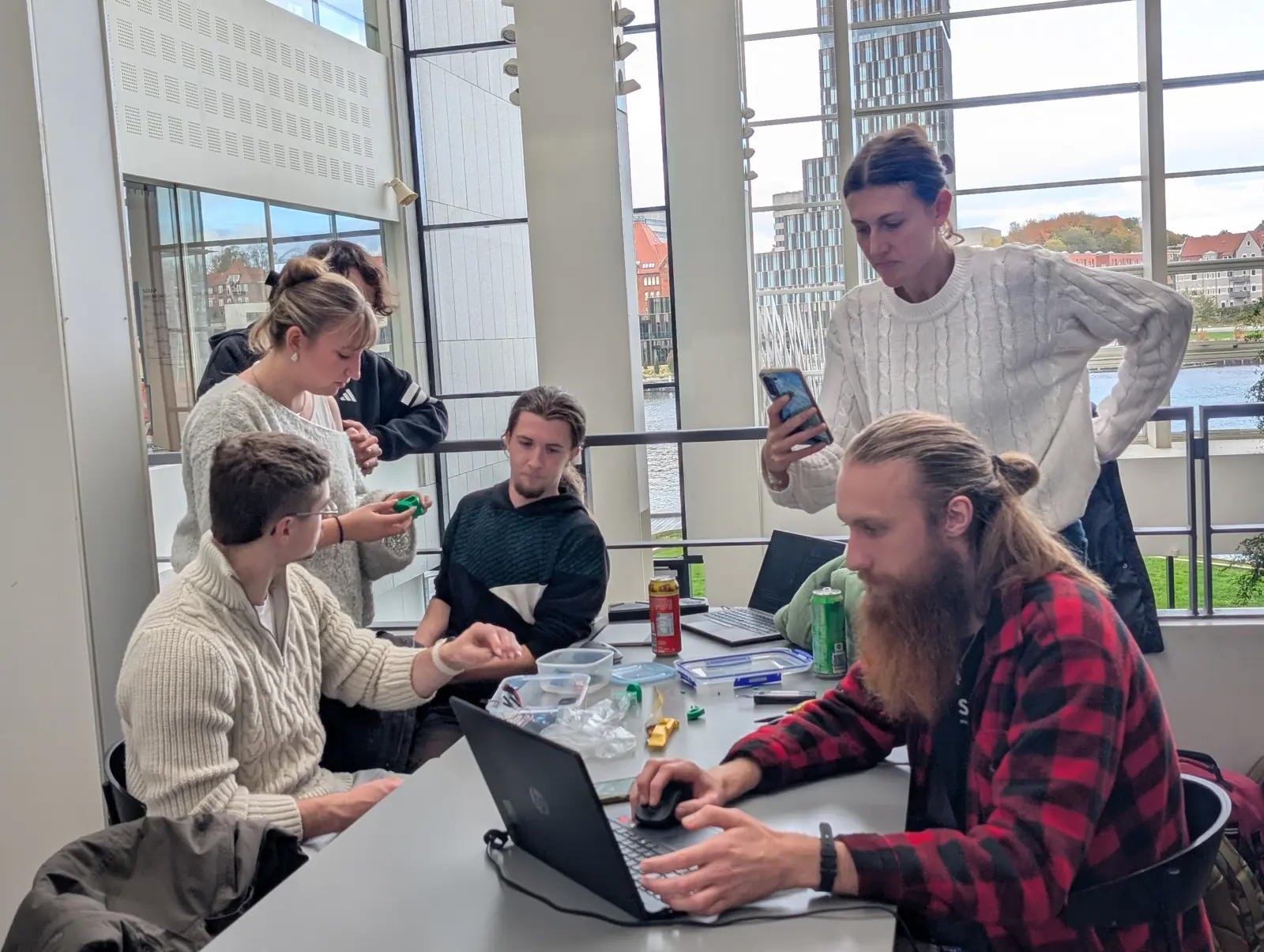
Six Krakens members around a table on campus, wiring the prototype and checking a model on a laptop

Run by students

Nineteen students from mechanical, mechatronics, electronics, software and business programmes at SDU Sønderborg run the project themselves. We decide what to build, find the money and do the work. The university, companies and mentors give us sparring, facilities and a network.

Built to be handed on

Krakens has no end date. Each year new students take over the boat, the documentation and the test data, and push it further. We believe clean energy can be quick and exciting, and that more engineers should end up working on the water.

  • 19 students
  • 3 teams
  • 0 emissions
Meet the team

The Monaco Energy Boat Challenge

Every summer the Yacht Club de Monaco invites university teams to race boats they built themselves, on electricity, hydrogen and sunlight. It is where student ideas for cleaner boating are tested in open water, in front of the industry that could build them.

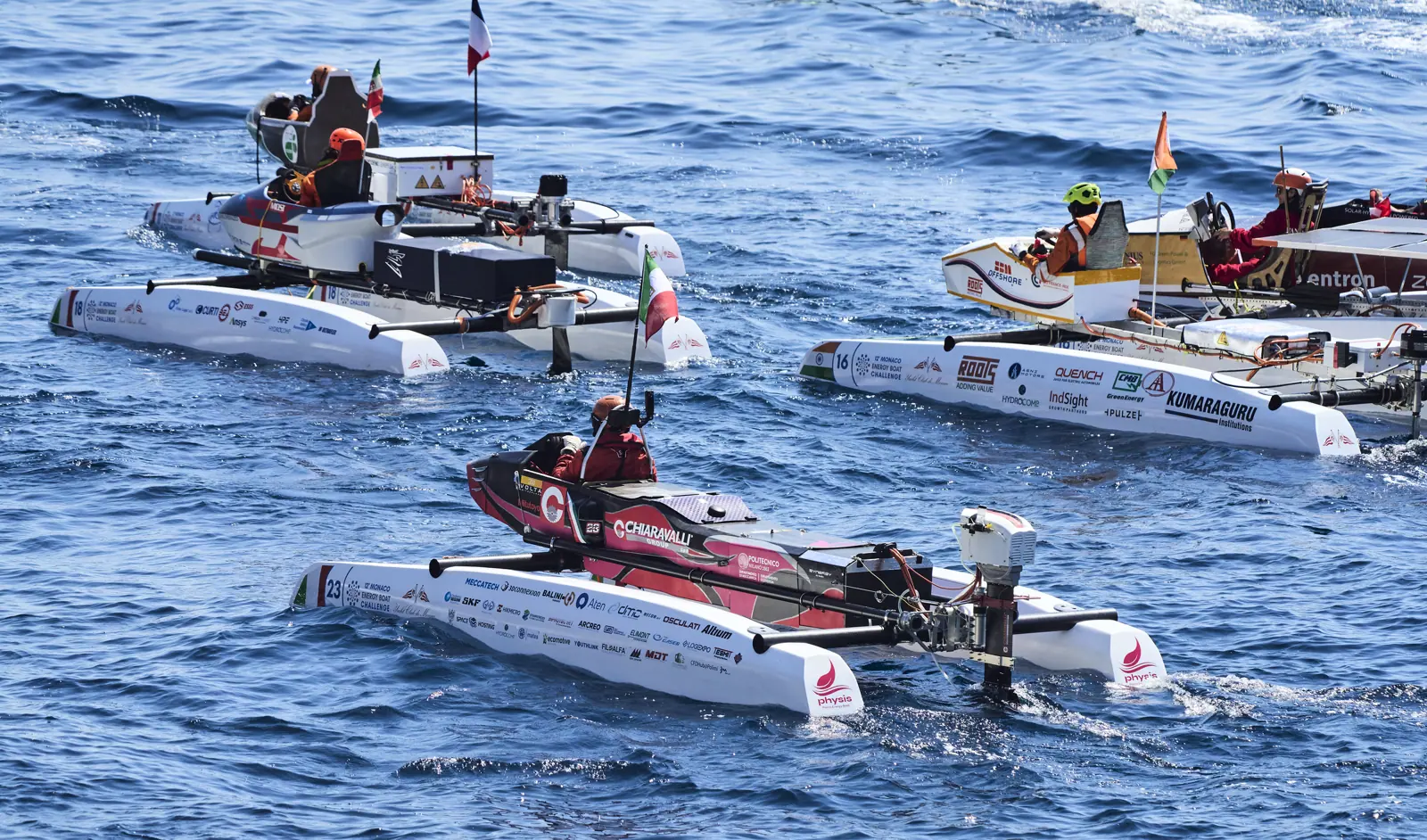
Three Energy Class catamarans with student pilots racing side by side off Monaco
Energy Class boats on the course in Monaco. Photo: Yacht Club de Monaco / MEBC
When
29 June to 3 July 2027, the 14th edition
Where
Port Hercule, in front of the Yacht Club de Monaco
Who
More than 50 university teams from over 20 countries
Since
2014, with races, a job forum and mentoring from the industry
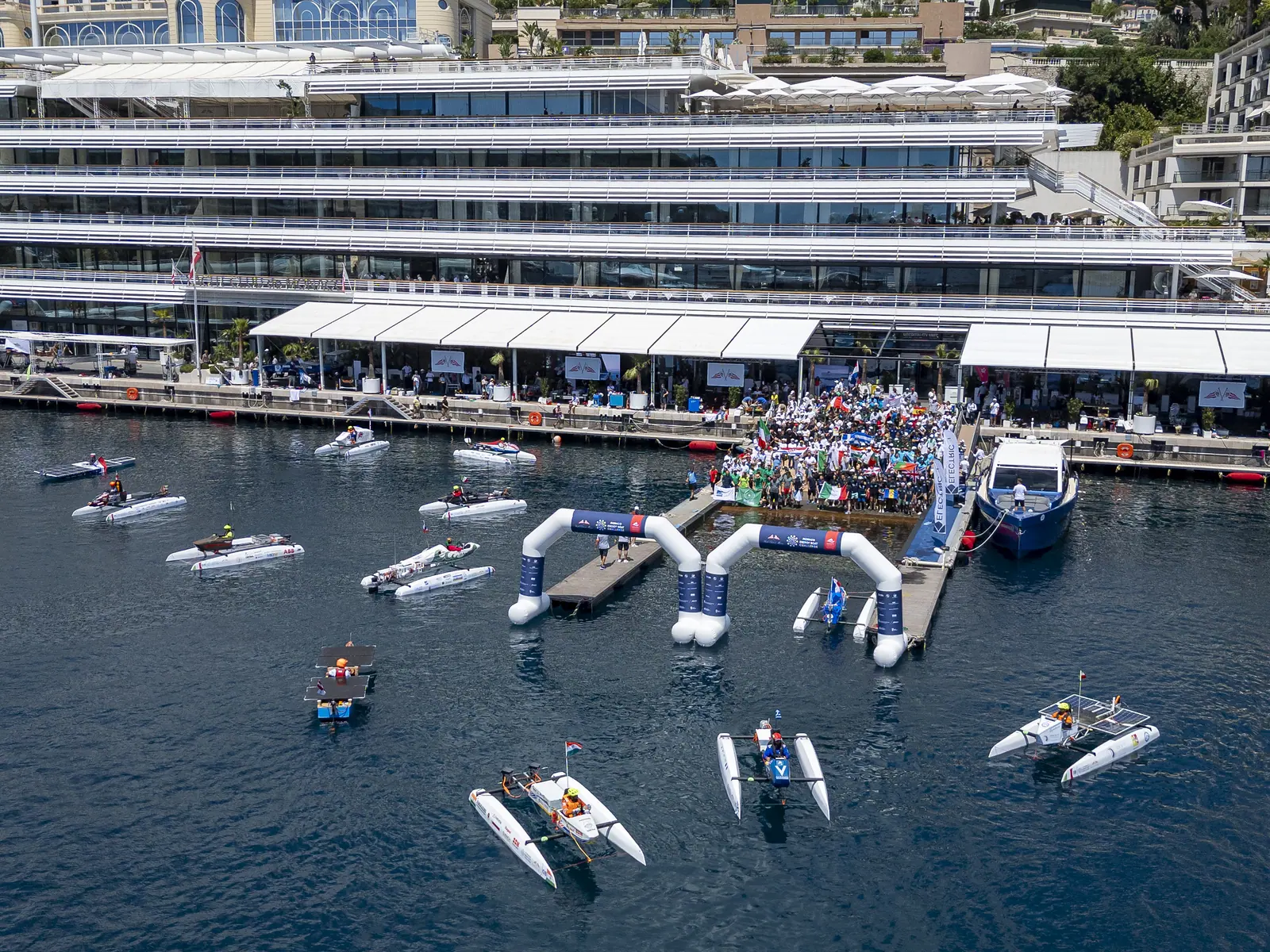
Dozens of student boats gathered at the pontoon below the Yacht Club de Monaco
The fleet at the Yacht Club de Monaco. Photo: Yacht Club de Monaco / MEBC

Our goal is the start line

We are a young team and we have not raced in Monaco yet. Everything on this page is the work of getting there: a boat that passes technical inspection, a trained pilot and crew, and a team that can keep it running for a week of racing.

The organiser's website

Our class: Energy Class

Energy Class is the fairest fight in Monaco. Every team starts with the same hull and the same amount of energy. What you do with it is the competition.

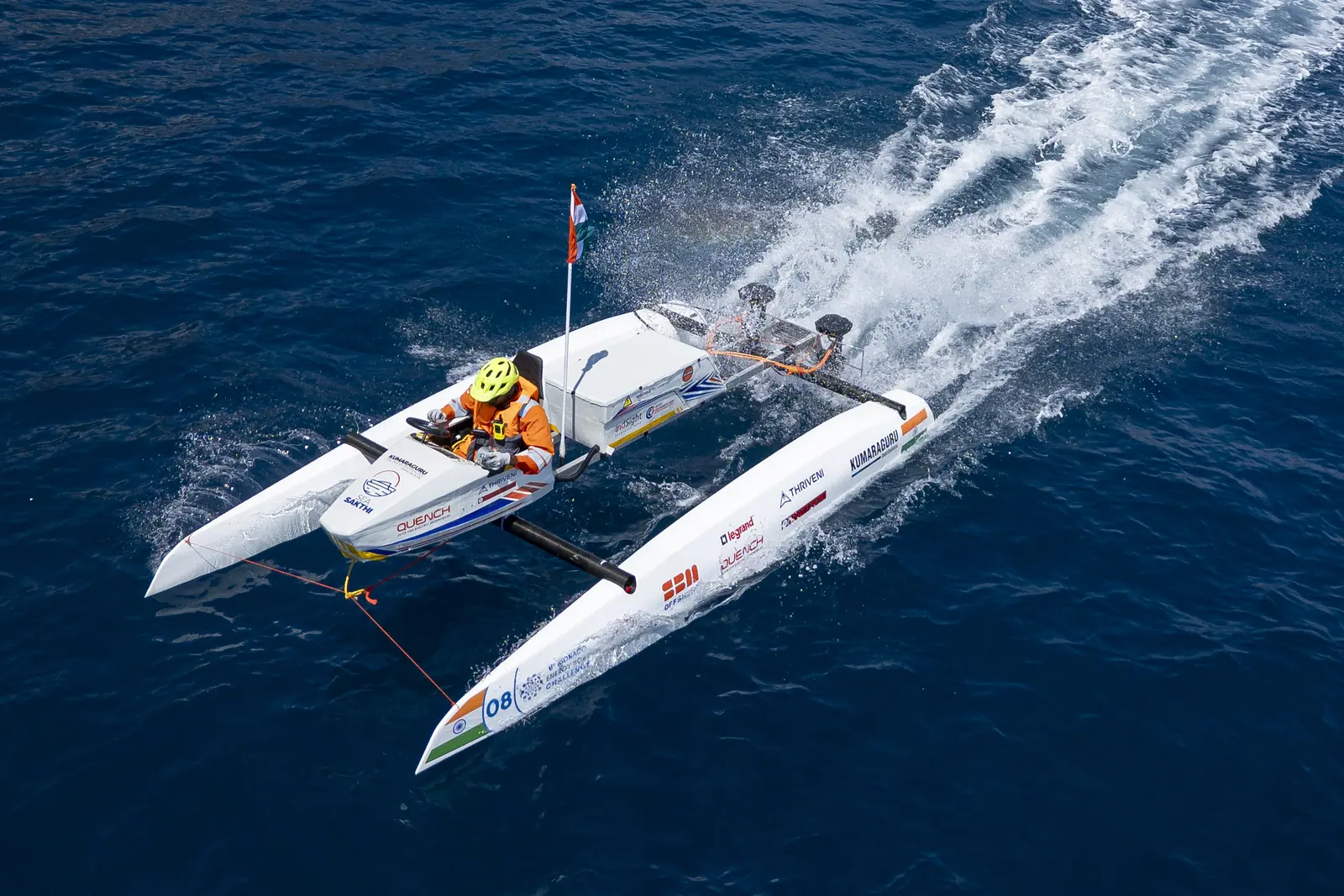
The Yacht Club de Monaco supplies every Energy Class team with the same one-design catamaran hull. Nobody wins on hull shape or on the size of their boatyard.

An Energy Class catamaran at speed, seen from above, with its pilot in the cockpit between the two hulls

The energy stored on board is capped at 10 kWh for everyone, and the source has to be zero-emission. With the same budget of energy, the most efficient boat goes furthest and fastest.

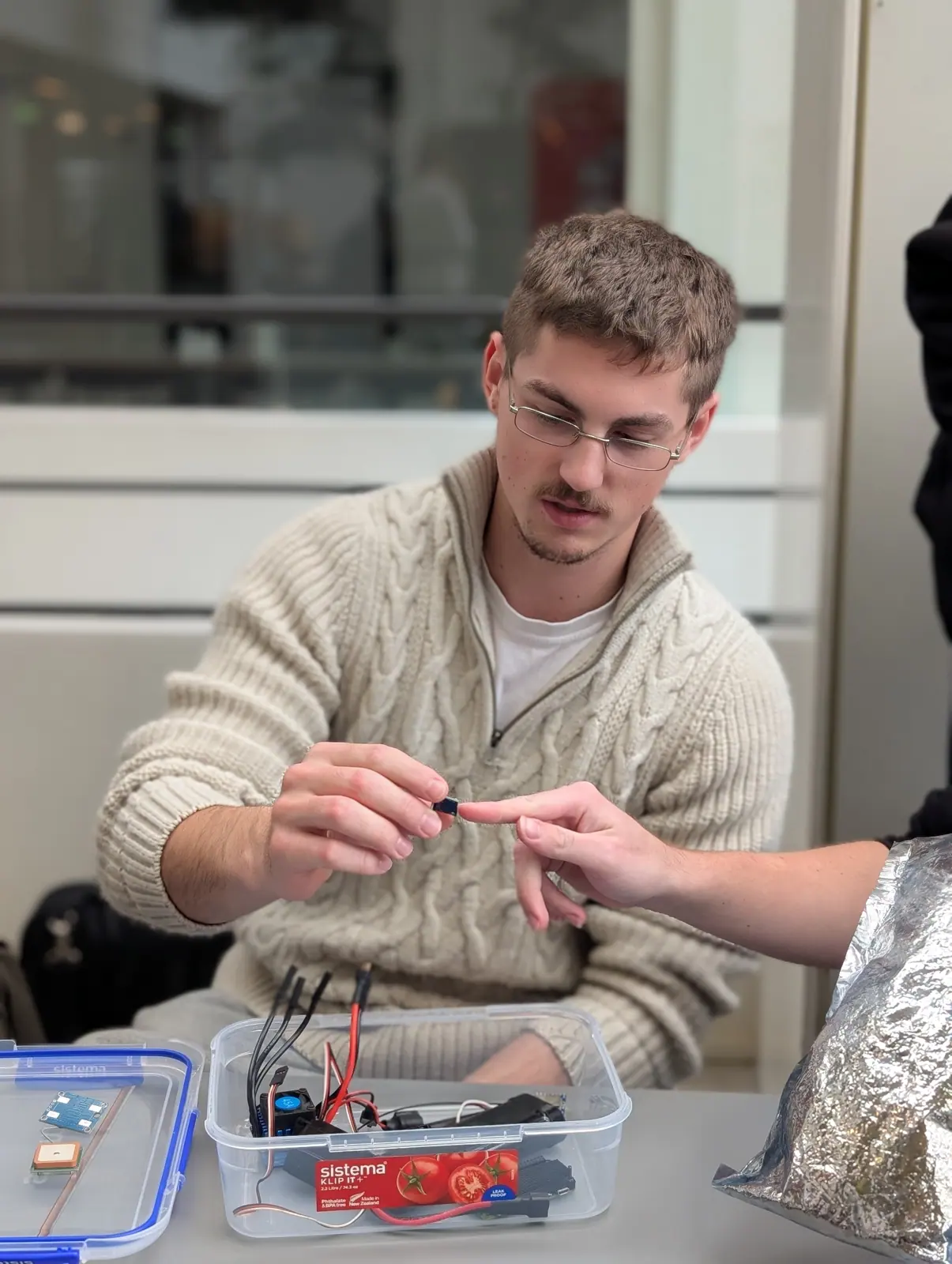
A Krakens member connecting the motor controller and receiver of the prototype

The part between the hulls is ours to design: the structure that carries the pilot, the seat, the steering and the safety systems. It has to be light, stiff and quick to get out of.

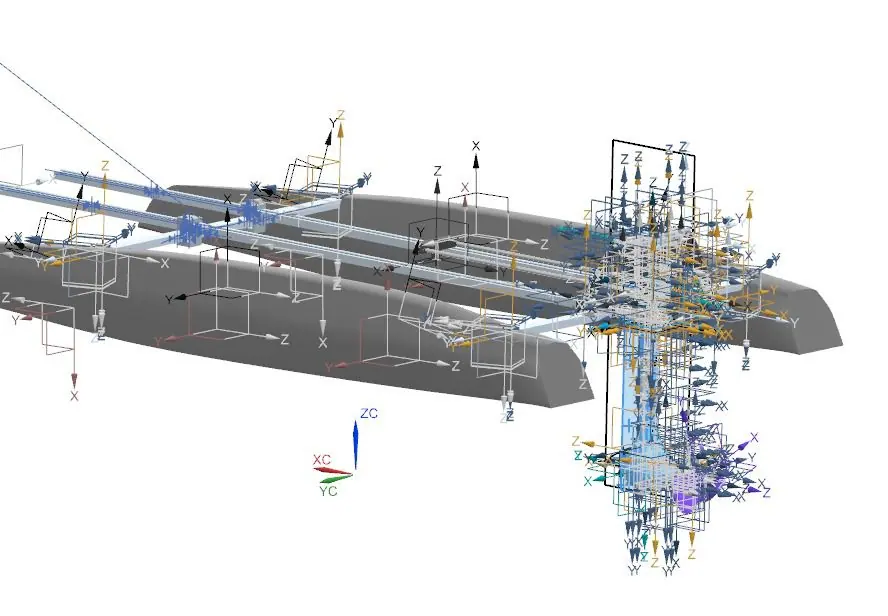
CAD model of the Krakens catamaran with the cockpit frame between the two hulls

Battery, motor, electronics, software and propeller are our own system. This is where a student team can out-think a bigger budget, and where most of our engineering hours go.

Flow simulation of the drive unit showing the pressure field around the propeller

Rules as published by the organiser for the current Energy Class. The Yacht Club de Monaco has asked students to propose a new catamaran platform for future editions. Read the class rules

The boat so far

Our radio-controlled prototype on a sunset run through the marina.

On screen

CAD and flow simulation
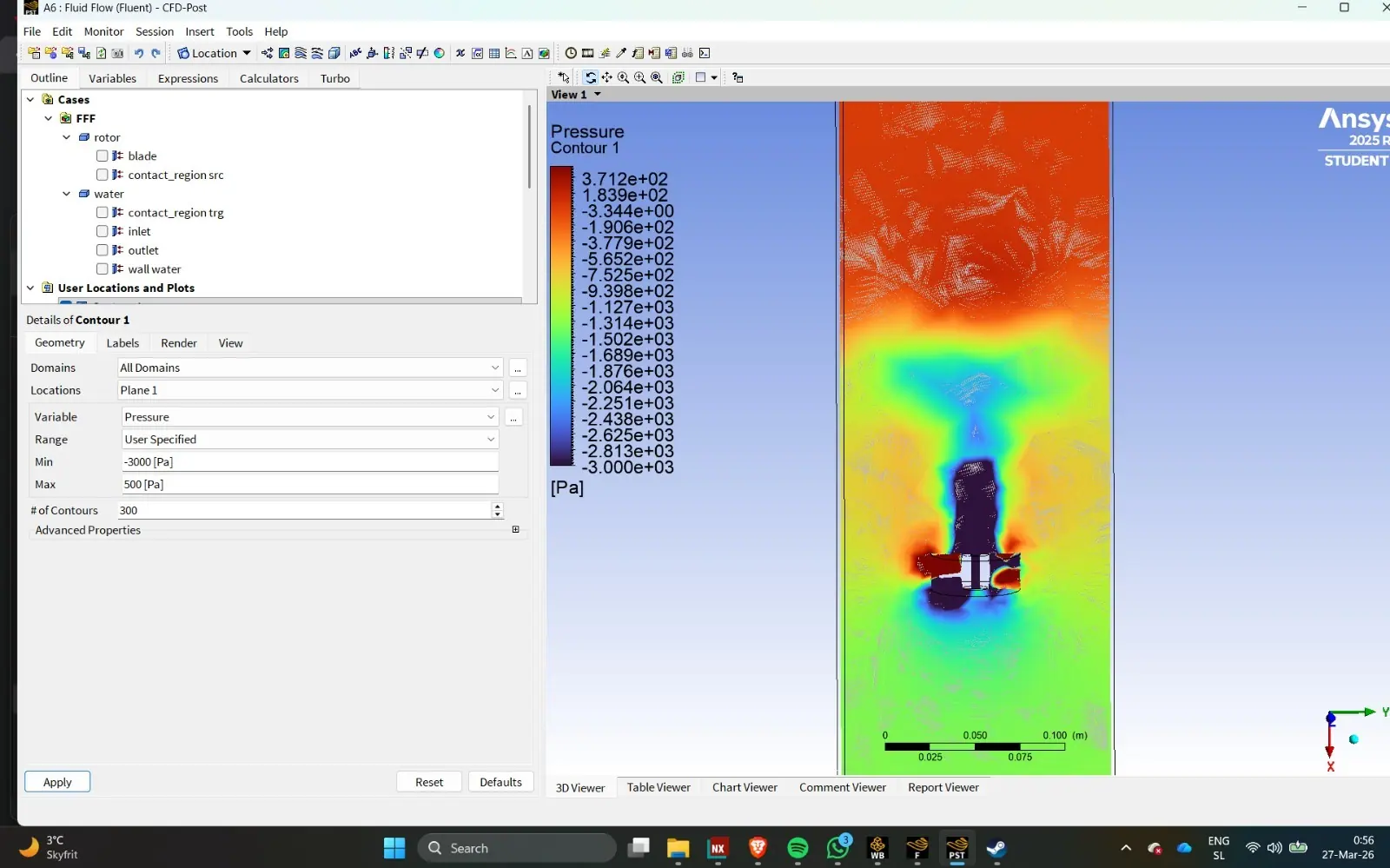
Simulation software showing water pressure around the Krakens drive unit

Every part starts as a model. We draw the hulls, crossbeams and cockpit in CAD, then run flow simulations on the drive unit to see where the water pushes back before anything is cut or printed.

The same models go to the electrical team, so batteries, cables and control boxes have a place before the first bracket exists.
On the table

Scale prototype, October 2025
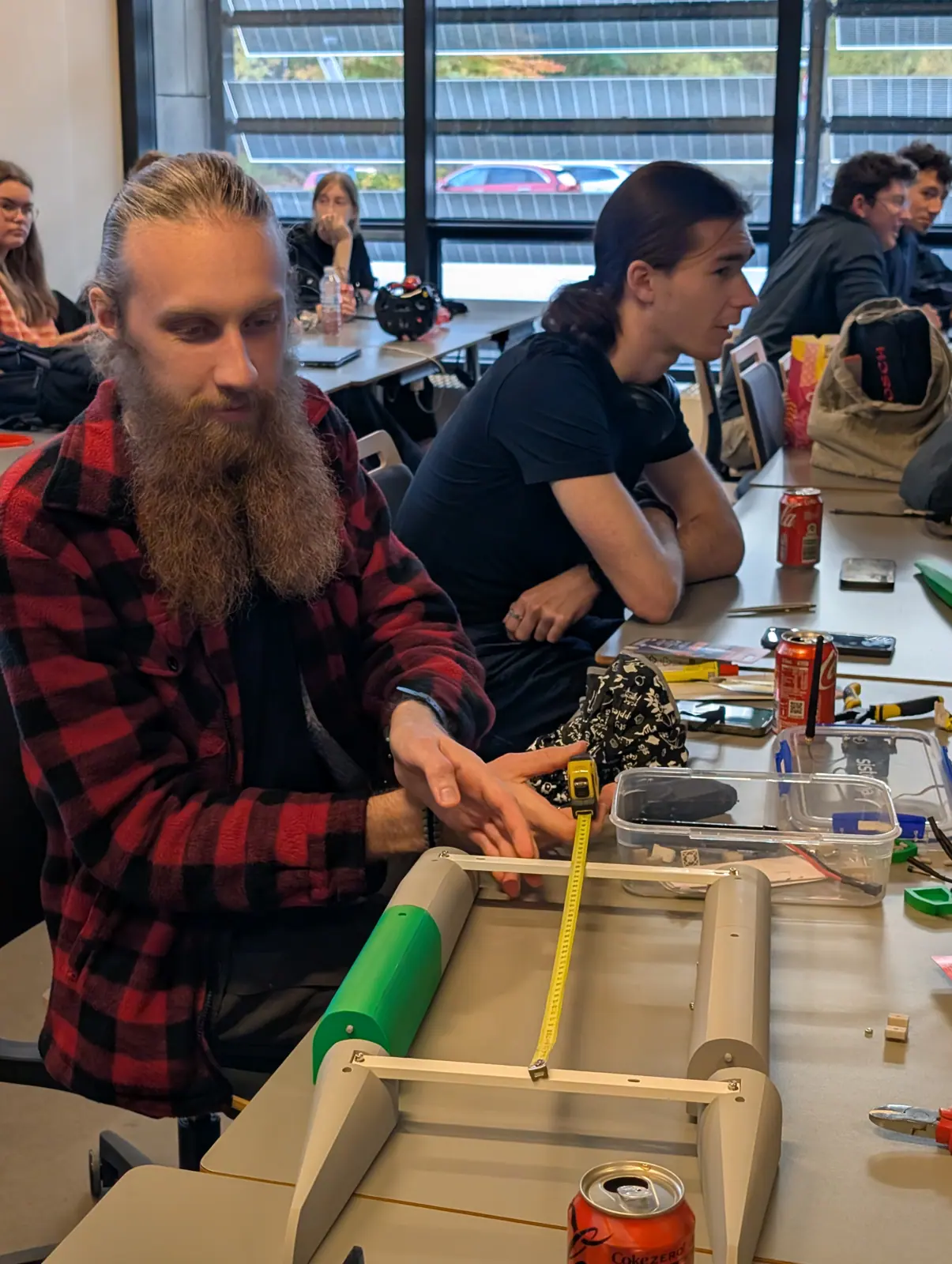
Two members measuring the frame between the printed hulls of the scale catamaran

Our first boat fits on a meeting table. A radio-controlled catamaran with printed hull sections on a metal frame, assembled over two afternoons on campus by whoever turned up.

It taught us how the hulls, frame and drive go together, and gave new members something to hold in their first week.

On the water

First float, 5 November 2025

One cold afternoon at the marina, the prototype went in. It floated level, answered the controls and drove out across the harbour.

We came home with a list of things to change, which is what a test day is for. We hold at least four joint work and test days a year.

At full size

Test platform, in build now
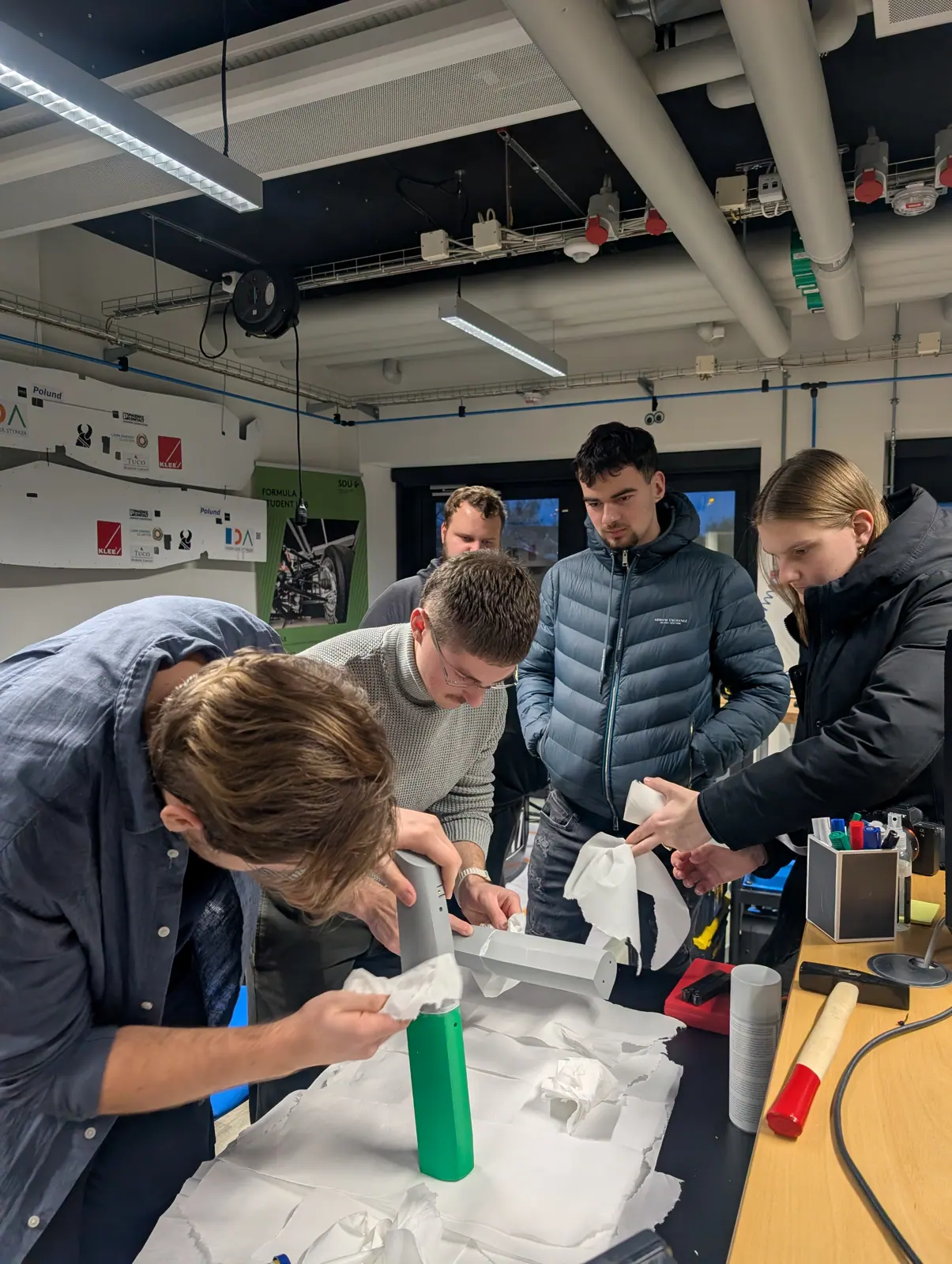
Members in the workshop fitting printed parts for the boat

The next step carries a person. The club owns two catamaran hulls that we are turning into a full-size test platform, joined by crossbeams we sized in our own load study, with a cockpit that lifts off.

On it we can test batteries, motor, steering and telemetry on real water long before the trip to Monaco.

Turn the boat around

This is the model our teams work from. Drag it to look from any side, look inside the battery box, and pick a part to see what it does.

CAD drawing of the Krakens catamaran: two hulls joined by a frame, with the cockpit and drive unit in the middle

The 3D model loads when you scroll here.

What is on board

The design is still moving. Parts inside the box are simple blocks in their planned positions.

Three teams, one crew

A Krakens general assembly in a classroom, with the red kraken logo on the screen

Mechanical team

Hull, structure, hydrodynamics, materials, drivetrain and safety

  • Hechter HavengaMechanical Lead
  • Matas KliukasStructural
  • Tobias Martin Rubæk JultvedStructural
  • Timurs TkacuksStructural and power electronics
  • Ina Lola Boye PedersenPower electronics, sensors and drivetrain
  • Tade Mariusz SzovetesPower electronics, sensors and drivetrain
  • Pia Wetzel
  • Eva Puzak

Electrical team

Batteries, power electronics, sensors, control and software

  • Fynn TöllnerElectrical Lead
  • Simon ViznerPower electronics and sensors
  • Sofie Agathe Aagaard PedersenSensors
  • Juraj OndrusStructural and power electronics
  • Nikita KudriavtsevPower electronics
  • Uma DzendzoElectronics
  • Bogdan IspasSoftware, research and building the boat

Business team

Marketing, finance, fundraising and partnerships

  • Andrea LovrinovićBusiness and Marketing Lead
  • Matilde Constantino GomesMarketing
  • Catarina FigueiredoMarketing
  • Leon TkalecSponsorship
Open to every SDU student in Sønderborg. Engineers, designers, organisers: fill in the form and come to the next work day.